
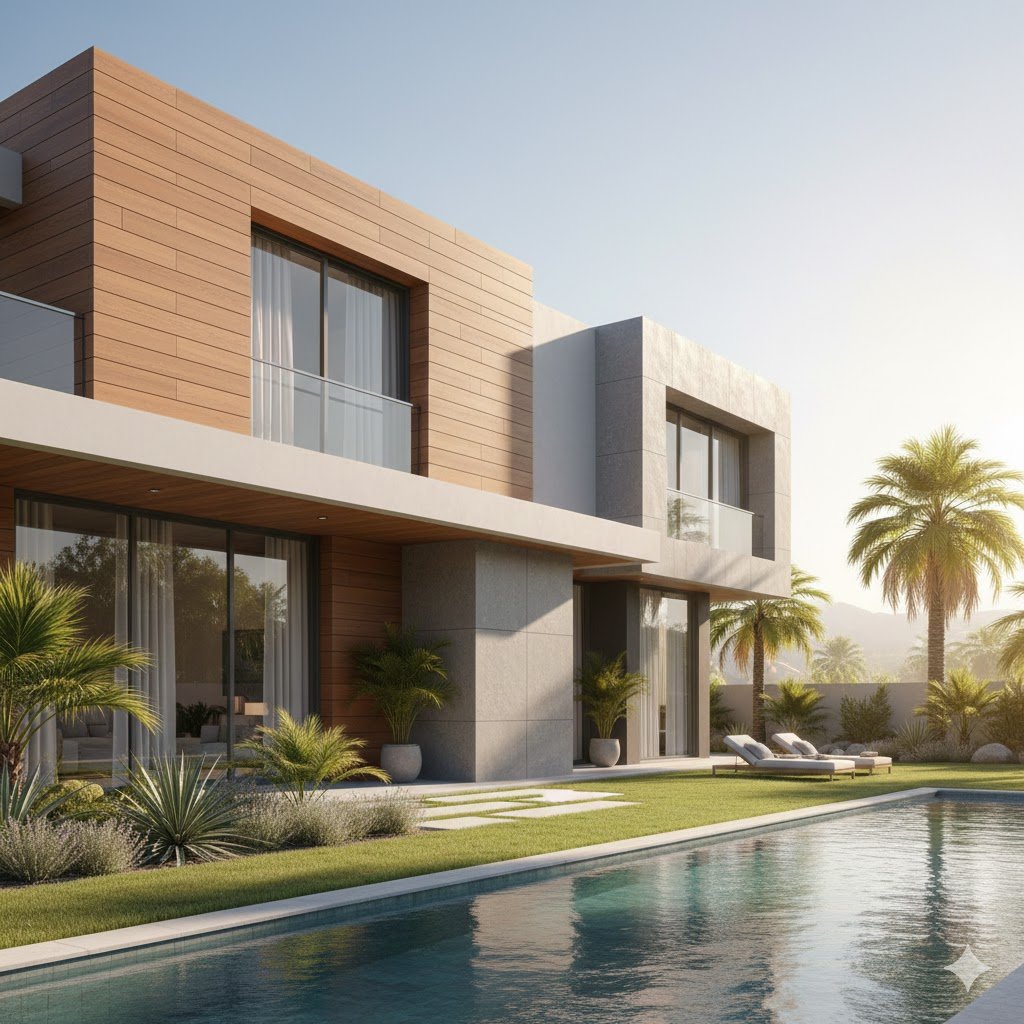
Extreme heat is one of the biggest challenges for building exteriors. In 2026, rising temperatures, intense sunlight, and longer summers are forcing architects and homeowners to rethink exterior material choices.
For hot climate regions, HPL sheets are emerging as one of the most reliable and performance-driven exterior solutions.
The Real Impact of Heat on Building Exteriors
High temperatures can cause serious exterior issues such as:
- Paint fading and peeling
- Surface cracks due to thermal expansion
- Discoloration and uneven finishes
- Increased maintenance frequency
Traditional exterior materials struggle to maintain performance under continuous heat exposure.
Heat Resistance: A Core Strength of HPL Sheets
Exterior-grade HPL sheets are engineered to perform in extreme temperature conditions.
They:
- Maintain dimensional stability under heat
- Resist surface warping and cracking
- Handle daily temperature fluctuations effectively
This makes them ideal for regions with prolonged hot weather.
Superior UV Protection and Color Stability
Sunlight exposure is constant in hot climates.
HPL sheets:
- Are manufactured with UV-resistant top layers
- Prevent color fading and surface degradation
- Retain original appearance for years
Painted exteriors often lose color intensity much faster under direct sunlight.
Thermal Comfort and Facade Performance
Modern facade systems using HPL sheets:
- Reduce direct heat absorption on walls
- Improve ventilation behind panels
- Support better overall building envelope performance
This indirectly contributes to improved indoor comfort.
Low Maintenance Despite Extreme Weather
In hot regions, frequent exterior maintenance is both costly and inconvenient.
HPL sheets:
- Do not require repainting
- Resist dust and pollution buildup
- Need only periodic cleaning
This reduces long-term maintenance costs significantly.
Ideal for Desert, Tropical & Semi-Arid Regions
HPL sheets are widely used in:
- Hot urban environments
- Desert climate regions
- Tropical zones with high sun exposure
Their consistent performance makes them suitable across different hot climates.
Heat Performance Without Design Limitations
Even in extreme heat, design flexibility remains important.
HPL sheets offer:
- Light and dark color options
- Wood, stone, and solid finishes
- Consistent textures without surface damage
This allows architects to design freely without compromising durability.
Long-Term Cost Benefits in Hot Climate Construction
Materials that fail quickly under heat increase lifecycle costs.
HPL sheets:
- Last longer in extreme temperatures
- Reduce repair and replacement frequency
- Offer better long-term value
This makes them a smart investment for heat-prone regions.
Why Builders in Hot Regions Prefer HPL Sheets
Builders focus on materials that:
- Perform reliably in heat
- Minimize customer complaints
- Support modern architectural standards
HPL sheets meet all these requirements effectively.
Importance of Choosing Trusted Manufacturers Like HPLMaker
Heat resistance depends heavily on material quality.
Manufacturers like HPLMaker ensure:
- Exterior-grade UV-tested HPL sheets
- Stable resin formulations
- Products suitable for high-temperature environments
This guarantees predictable, long-term performance.
Final Thoughts: Built to Withstand Heat in 2026
As global temperatures continue to rise, exterior materials must be selected with climate performance in mind.
HPL sheets offer:
- Excellent heat and UV resistance
- Long-lasting appearance
- Low maintenance
- Strong lifecycle value
That’s why HPL sheets are becoming the preferred exterior choice for hot climate regions in 2026.